If you are investing in a car lift for your home garage or professional workshop, you will naturally
want it to remain safe, reliable and operational for as long as possible. A high-quality car lift is
designed for long-term use, but regular car lift servicing and maintenance is still
essential.
Neglecting routine maintenance can contribute to premature wear, unexpected breakdowns and potentially
serious safety issues. Regular checks can help identify developing problems before they result in costly
car lift repairs or unnecessary downtime.
Car Lift Maintenance: Key Summary
- Improved safety: Routine checks can help identify worn, damaged or incorrectly
operating components before they develop into more serious problems. - Reduced repair costs: Finding hydraulic leaks, worn components, loose fixings or
other faults early can help prevent more expensive repairs later. - Longer lift lifespan: Correct inspection, lubrication and maintenance in accordance
with the manufacturer’s instructions can help reduce premature component wear. - Workplace compliance: For lifts used in professional UK workshops, regular
maintenance supports safe operation alongside separate statutory requirements such as LOLER
thorough examinations.
The Importance of Car Lift Servicing
There are many reasons why regular car lift servicing should be considered important,
but safe operation should always be at the top of the list. Whether you have a domestic garage lift or
operate vehicle lifts in a commercial workshop, you need confidence that the equipment is functioning
correctly.
Regular servicing can also help extend the working life of your equipment. Hydraulic systems, cables,
safety locks, electrical controls and other mechanical components are all subject to normal wear over time.
Identifying a developing problem early can often prevent it from becoming a larger and more expensive
fault. A small hydraulic leak, unusual noise or incorrectly operating safety mechanism should never be
ignored.
Routine Garage Lift Maintenance Checks
Lift owners should always follow the inspection and maintenance schedule provided by the manufacturer.
There are also a number of basic visual and operational checks that can be carried out regularly by an
appropriately trained user.
Depending on the type and manufacturer of your lift, routine checks may include:
- Checking posts, tracks and moving areas for dirt, debris or obstructions.
- Inspecting hydraulic hoses and connections for visible wear, damage or leaks.
- Checking exposed cables or chains for obvious signs of corrosion, fraying or damage.
- Checking that lifting arms and restraints operate correctly.
- Confirming that mechanical safety locks engage and release correctly.
- Listening for unusual grinding, squealing, knocking or other abnormal noises.
These basic checks do not replace professional servicing or any statutory examination requirements that
may apply in a commercial environment.
Professional Car Lift Servicing
Regular professional servicing gives your lift a more detailed inspection than basic owner checks alone.
A competent engineer can assess the condition and operation of key mechanical, hydraulic and electrical
components and identify developing faults before they result in a breakdown.
At Lift Giant, we offer professional car lift servicing, maintenance and repairs
to help keep your equipment operating safely and reliably.
Depending on the lift and service requirements, professional maintenance may include inspection of
hydraulic components, safety locks, cables, lifting mechanisms, electrical controls, fixings and other
critical parts.
Essential Car Lift Maintenance Checklist
The exact maintenance requirements will depend on the design and manufacturer of your lift, but the
following components should form part of a comprehensive inspection and servicing programme.
Hydraulic Systems
Inspect hydraulic hoses, connections and cylinders for leaks, visible deterioration or damage. Hydraulic
fluid levels and replacement intervals should always follow the manufacturer’s recommendations.
Any unexplained loss of hydraulic fluid should be investigated rather than repeatedly topped up.
Equalising Cables and Lifting Components
Where fitted, equalising cables should be checked for signs of fraying, corrosion, wear or incorrect
tension. Chains, pulleys and related lifting components should also be inspected where applicable.
Adjustment or replacement of lifting cables and related components should be carried out by a suitably
competent person in accordance with the manufacturer’s instructions.
Mechanical Safety Locks
Mechanical safety locks are a critical feature on many car lifts. They should engage correctly as the
lift rises and release correctly when the platform or carriage is lowered.
Never work beneath a raised vehicle if the lift’s safety locking system is not operating correctly.
Structure and Floor Anchors
Posts, frames, fasteners, floor fixings and other structural components should be inspected for signs
of movement, cracking, corrosion or damage.
Any suspected movement around the lift base, anchor points or supporting floor should be investigated
before the lift is used again.
Electrical Controls
Electrical wiring, switches and controls should be checked for damage and correct operation. Where fitted,
limit switches, emergency stops and other safety controls should also operate as intended.
When Do I Need to Call the Professionals?
If your car lift starts making unusual grinding or squealing noises, lifts unevenly, feels jerky in
operation, develops a hydraulic leak or simply does not feel right, it is time to stop using it and
arrange a professional inspection.
At Lift Giant, we provide professional car lift servicing, maintenance and repairs
to help keep your equipment safe, reliable and operating as it should. Our team can inspect your lift,
identify developing faults, carry out routine maintenance and advise on any parts or repairs that may
be required.
Regular professional servicing can also help prevent minor issues from developing into more expensive
failures, reduce unexpected downtime and extend the working life of your lift.
Whether you need scheduled preventative maintenance, technical support or help diagnosing a fault,
Lift Giant is on hand to keep your car lift in dependable working condition.
Car Lift Servicing and LOLER Requirements
If a vehicle lift is used in a workplace, additional health and safety requirements may apply. Vehicle
lifts used at work can fall within the scope of the
Lifting Operations and Lifting Equipment Regulations 1998 (LOLER).
A LOLER thorough examination is separate from routine servicing and maintenance. Servicing is intended
to keep the lift operating correctly, while a thorough examination is a systematic examination carried
out by a competent person to identify defects that could present a danger.
Commercial workshop operators should ensure they understand both their routine maintenance obligations
and any separate statutory examination requirements that apply to their equipment.
Car Lift Repairs & Servicing FAQs
How often should a car lift be serviced?
Servicing intervals should follow the manufacturer’s recommendations and take into account how
frequently the lift is used. Regular visual and operational checks should also be carried out between
professional services.
Is car lift servicing the same as a LOLER examination?
No. Routine servicing and maintenance are intended to keep the car lift functioning correctly, while
a LOLER thorough examination is a separate systematic assessment carried out by a competent person
to identify potentially dangerous defects.
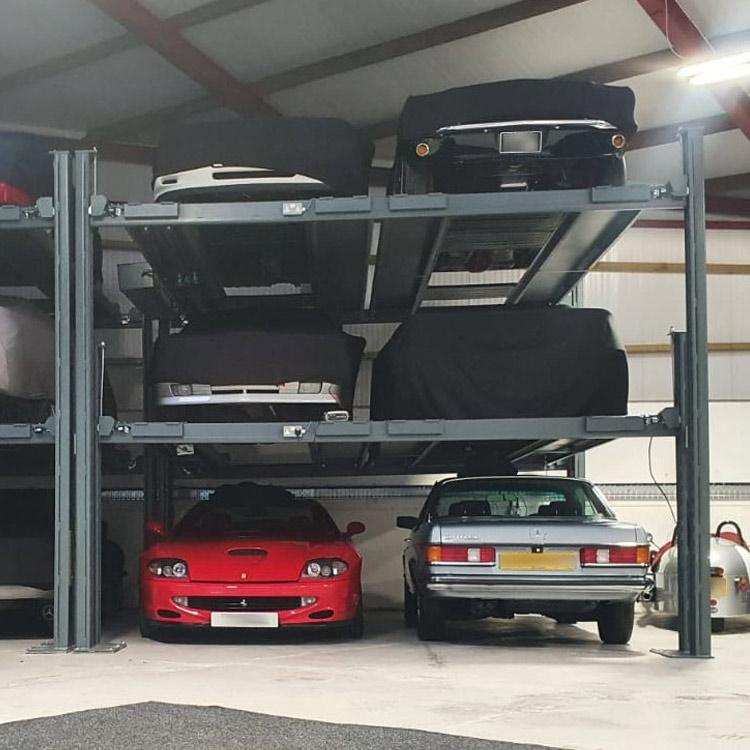
Is it safe to store a vehicle on a car lift long-term?
Yes, provided the lift is designed for vehicle storage and is used in accordance with the
manufacturer’s instructions. Where mechanical safety locks are fitted, the raised platform should
normally be correctly positioned on those locks rather than relying solely on hydraulic pressure.
What causes a car lift to lift unevenly?
Uneven lifting can be caused by several issues, including problems with equalising cables or chains,
hydraulic components, incorrect adjustment, obstructions or uneven vehicle weight distribution.
If a lift begins rising unevenly, stop using it and arrange for the cause to be investigated.
What are the signs that my car lift needs repairing?
Common warning signs include hydraulic leaks, grinding or squealing noises, jerky movement, uneven
lifting, unreliable safety locks, damaged cables, electrical faults or movement around structural
components and floor fixings.
Does Lift Giant offer car lift servicing and repairs?
Yes. Lift Giant provides professional car lift servicing, routine maintenance, technical support and
repairs to help keep car lifts operating safely and reliably.