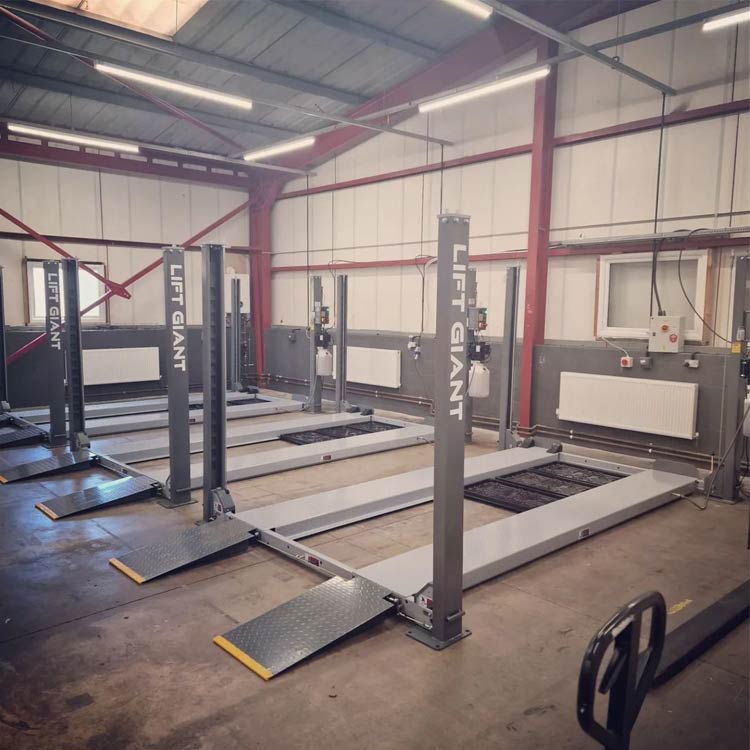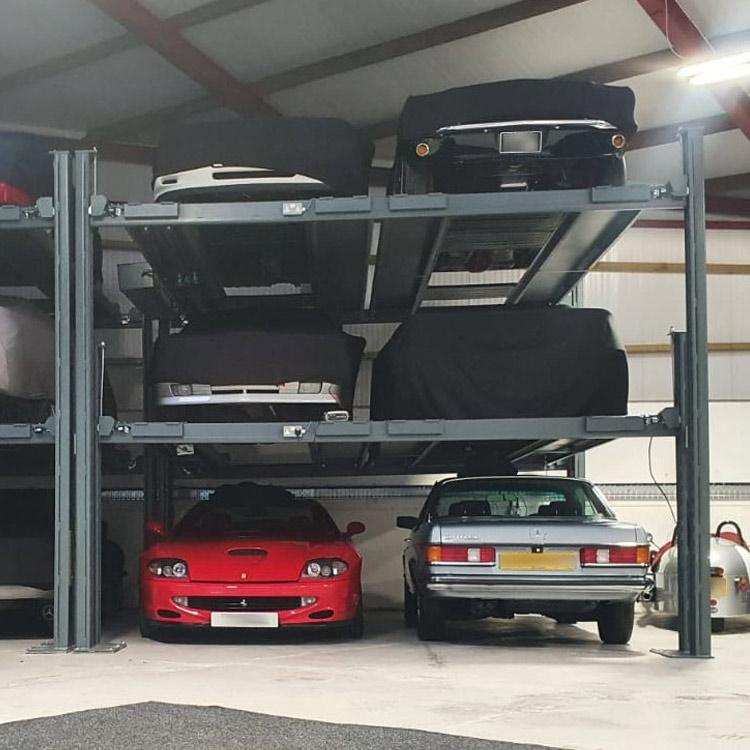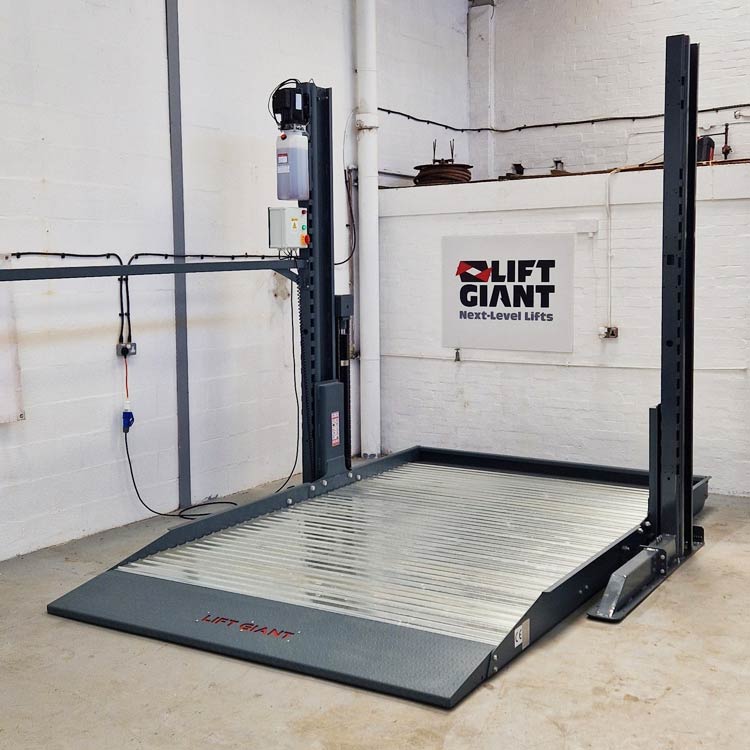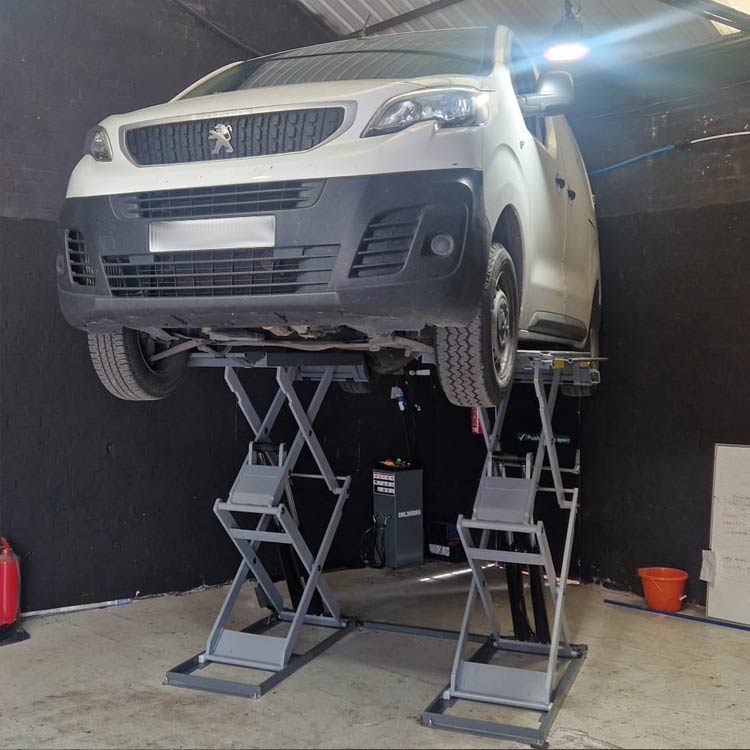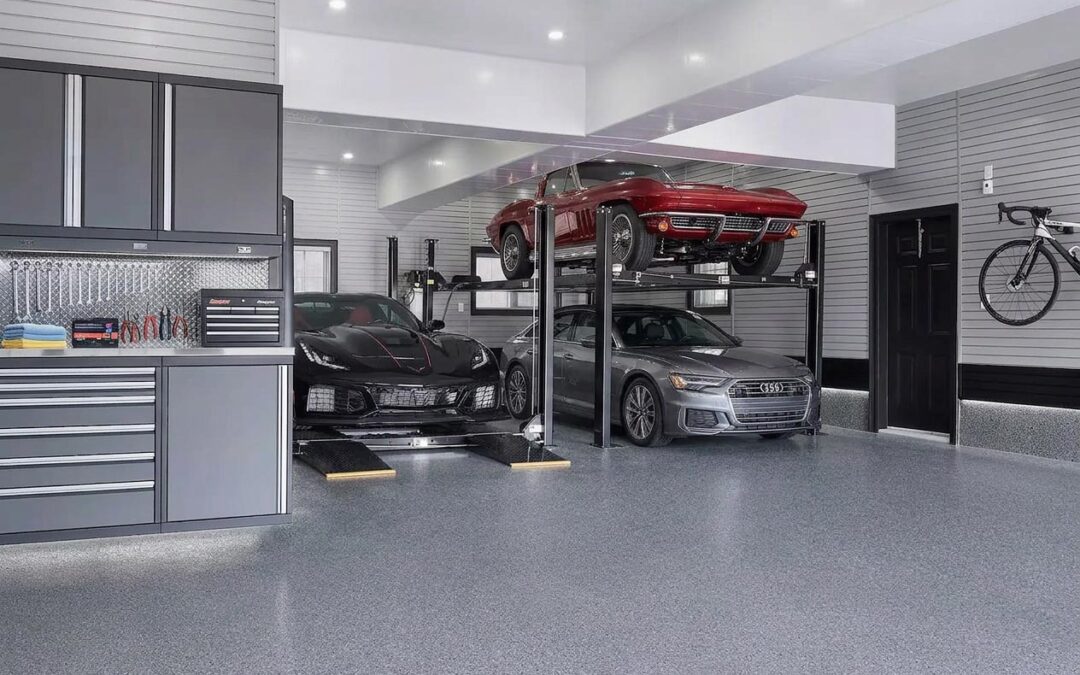
The ultimate garage for car enthusiasts should be designed around how you actually use your cars, whether that means storage, maintenance, detailing, restoration or creating more room for multiple vehicles. A well-planned garage makes better use of floor space, vertical clearance, lighting, power, flooring and equipment, including car lifts where they genuinely improve access or storage.
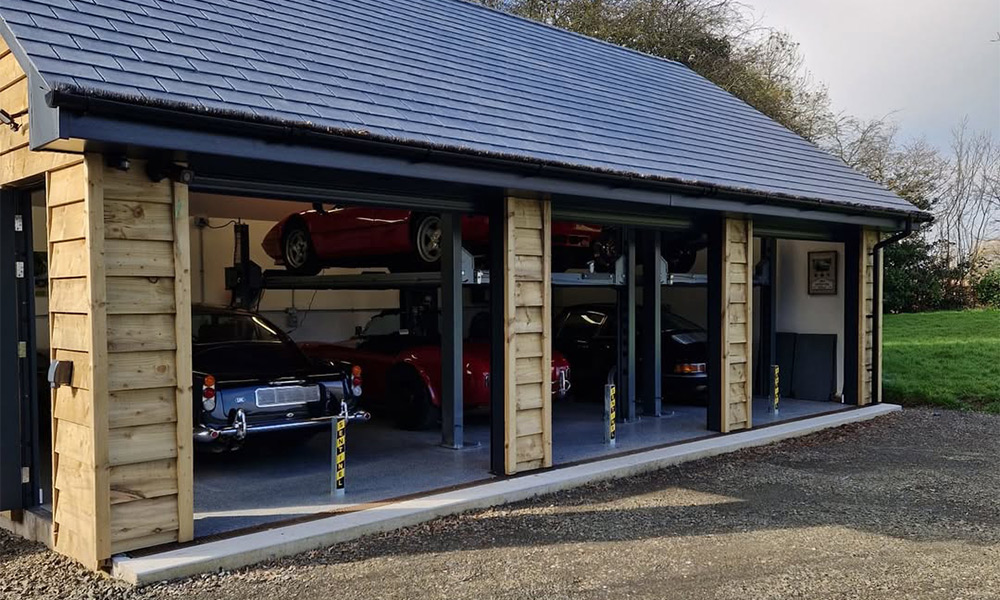
What should you consider before designing an enthusiast garage?
Start with the job the garage needs to do. A garage built mainly for storing a weekend car should be planned differently from a garage used for servicing, detailing or restoration. Before buying storage, flooring, tools or lifting equipment, decide which activities matter most.
- Daily vehicle parking with easy access in and out.
- Long-term storage for a classic, performance car or second vehicle.
- Routine maintenance such as brake work, wheel changes and inspections.
- Detailing, paint correction, cleaning and drying space.
- Tool storage, workbench space and parts organisation.
- Space-saving vehicle stacking for multi-car ownership.
For many enthusiasts, the best garage is not the biggest garage. It is the one where the layout, access routes and equipment all work together. That is where planning vertical space becomes especially useful, particularly if you are considering car storage lifts and parking systems as part of the design.
How much space do you need around a car in a garage?
You need enough room to open doors, move tools safely and work around the vehicle without constantly shuffling things out of the way. In a tight garage, it is easy to underestimate how much space is lost to shelving, workbenches, ladders, bikes, tyres and boxes.
As a practical rule, plan for clear access on the driver side, enough room to walk around the front and rear of the car, and a defined storage wall so loose items do not creep into working space. If the garage will include a lift, measure the available width, length and ceiling height before settling on a specific system.
This is also where the garage layout should reflect the type of cars you own. A low sports car, a classic saloon, an SUV and a project car all create different access needs. Low-profile entry, wheelbase, door opening space and roof height can all affect the best setup.
Should a car enthusiast garage include a car lift?
A car lift is worth considering if it solves a real problem: limited storage space, poor underbody access, awkward maintenance or the need to stack vehicles safely. It should not be treated as a trophy item. It should earn its place in the garage.
For an enthusiast who regularly works on their car, a lift can make routine jobs easier, cleaner and safer than relying on basic jacks and axle stands. For collectors, a lift can also turn unused ceiling height into another parking space.
The right choice depends on the main use case:
Maintenance and detailing
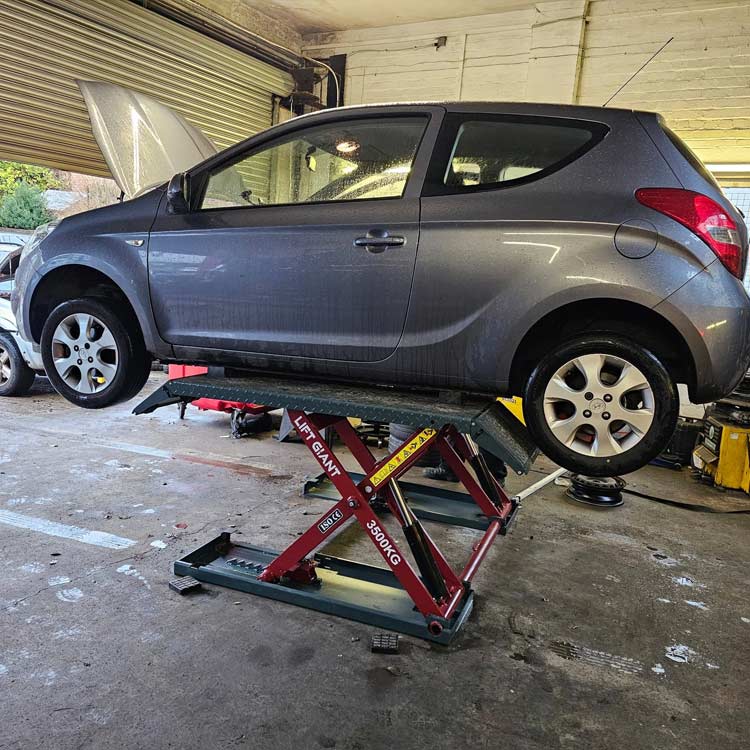
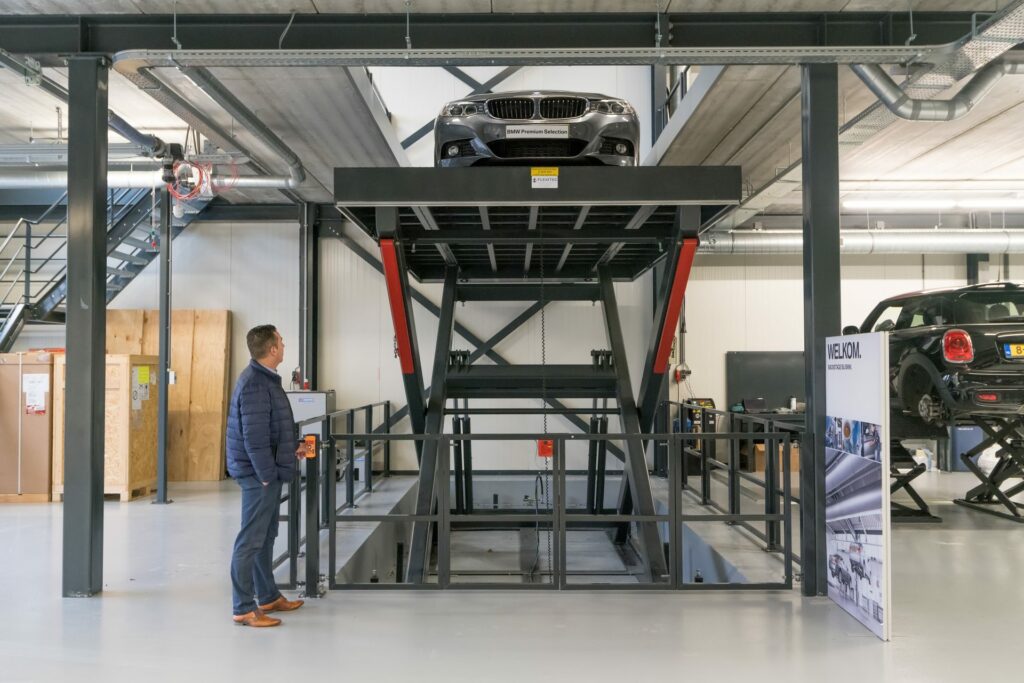
Scissor lifts for garages and workshops are the optimal choice.
Long-term vehicle storage
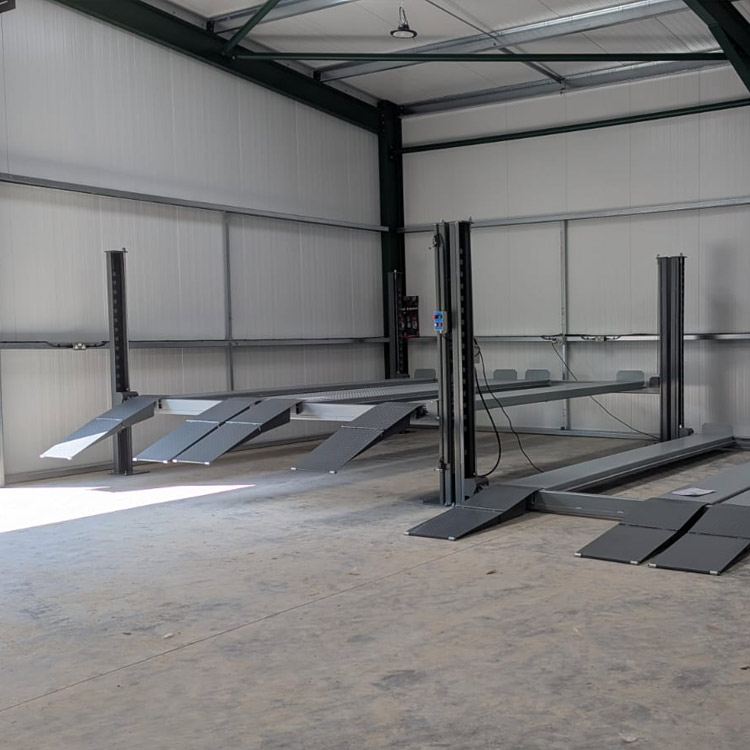
A four-post parking lift or system may be more suitable.
Compact garage use
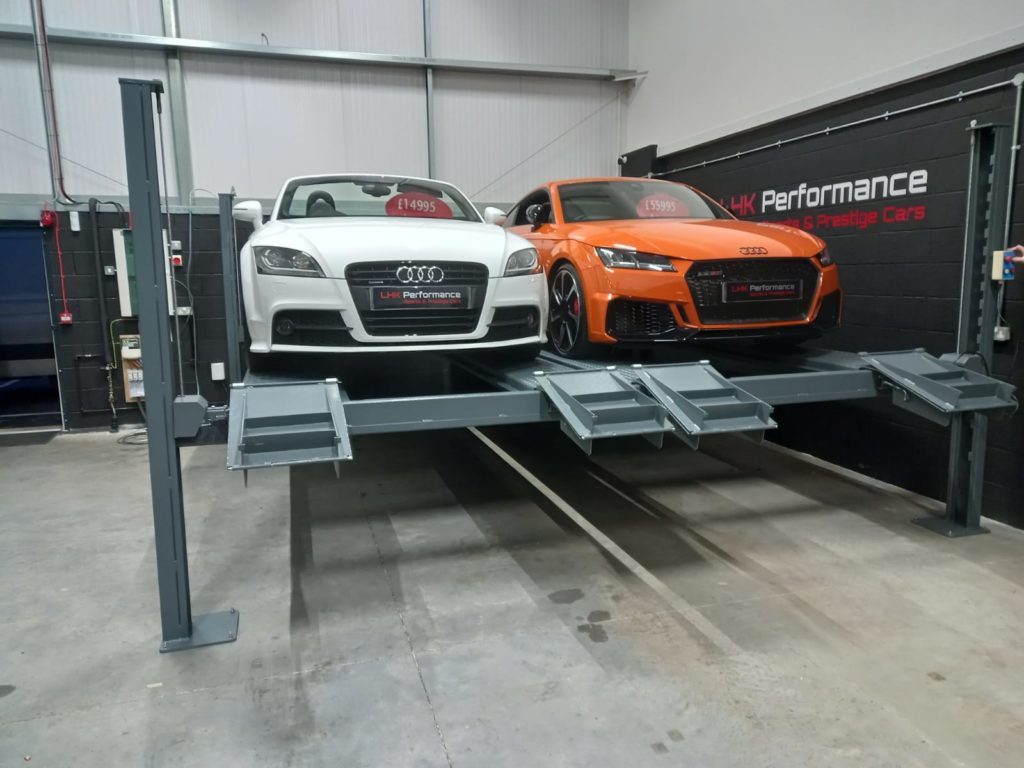
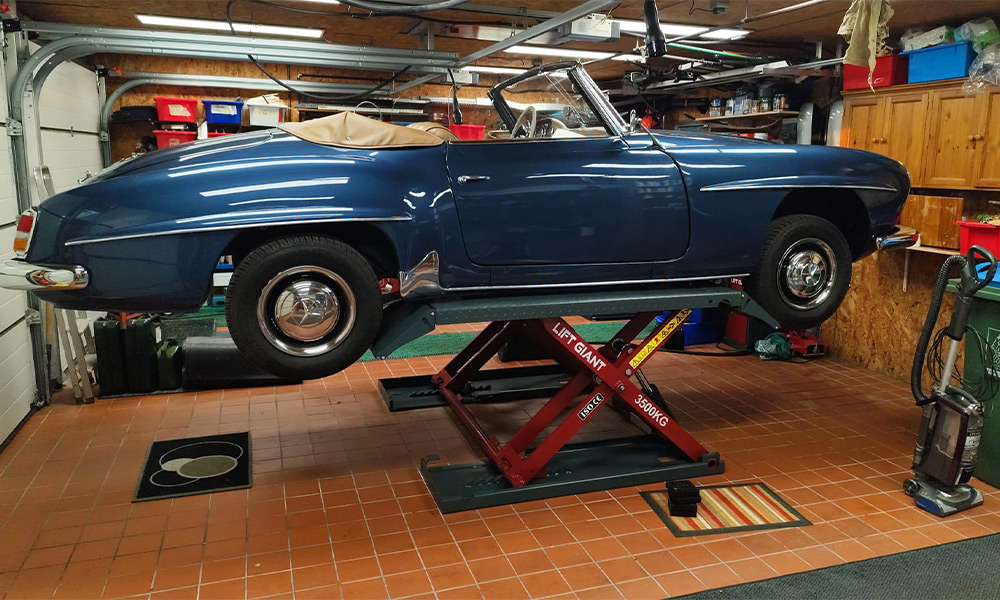
A mobile mid-rise scissor lift, such as the LGX35 Mid Rise Mobile Car Scissor Lift, may offer useful access without permanently dominating the space.
Larger collections
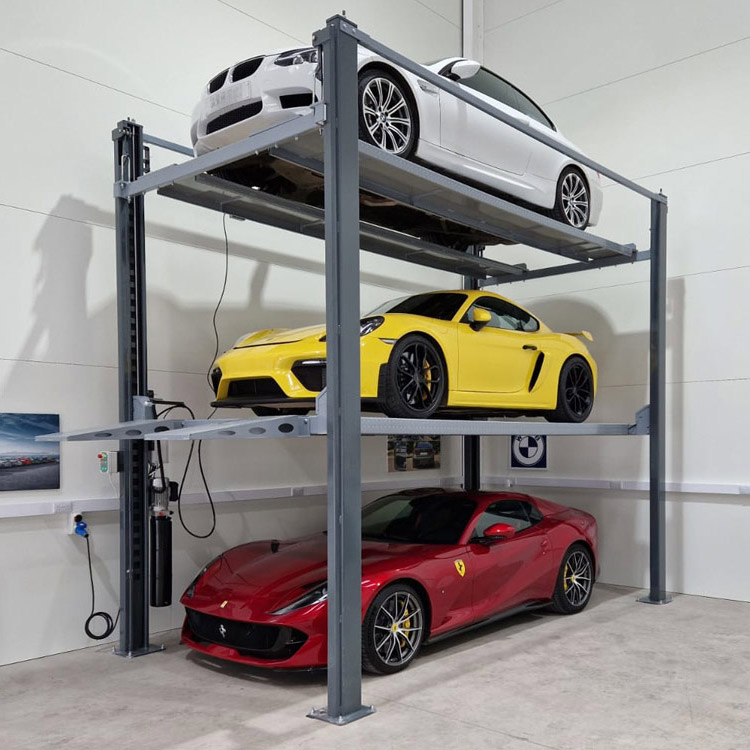
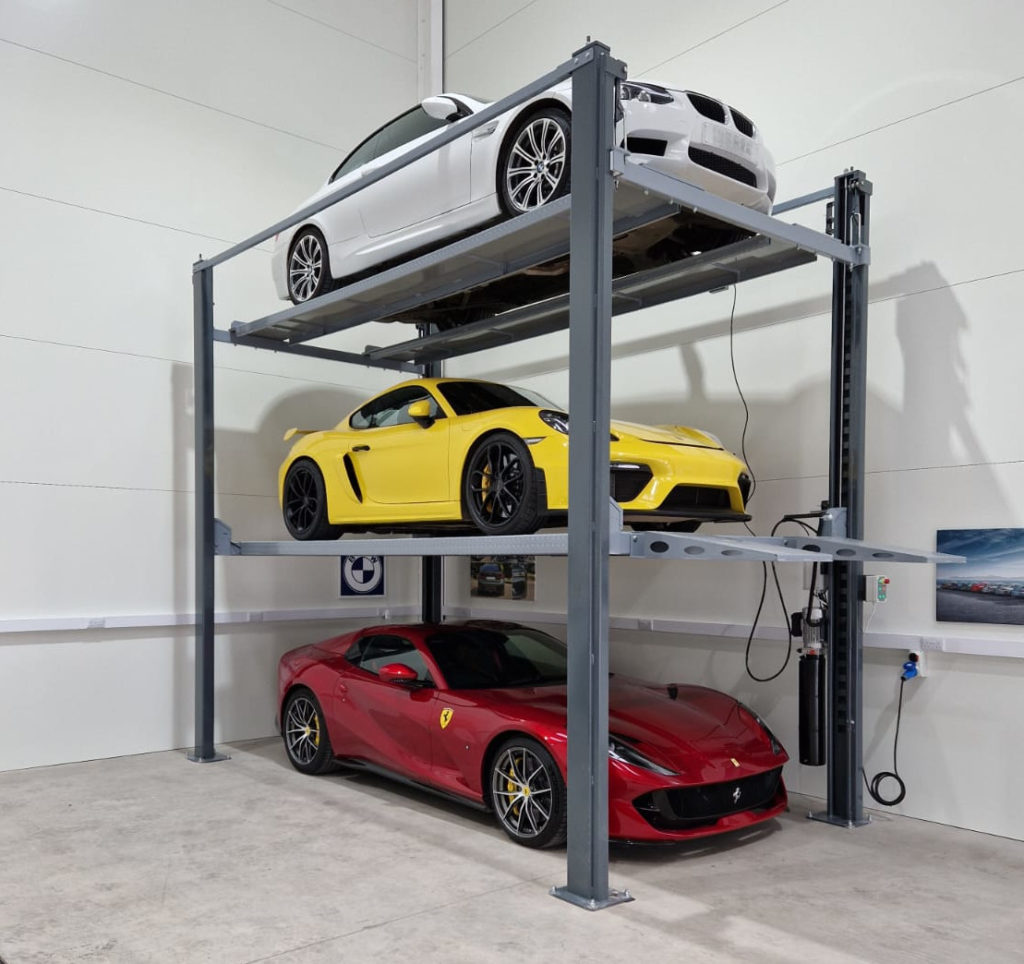
Double-wide or multi-level storage, such as a triple-level parking lift, can help increase capacity within the same building footprint.
What type of car lift is best for a home garage?
For most home garages, the best lift depends on whether you need working access or vehicle storage. A scissor lift is usually better for maintenance in a tighter space, while a four-post parking lift is usually better for storing one vehicle above another.
A mid-rise scissor lift is useful when you want better access for wheels, brakes, sills, detailing and underbody checks, but do not have the ceiling height for a full-height lift. Lift Giant lists the LGX35 with a 3,500kg capacity, 1,000mm lifting height and 110mm closed profile, which makes it a practical candidate for many home and light workshop garages.
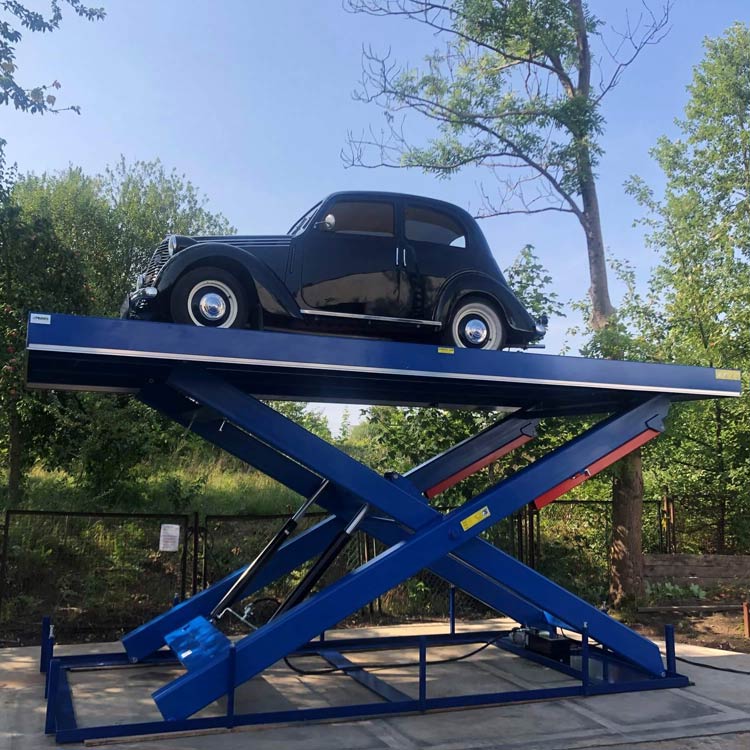
A high-rise scissor lift is better if you want more comfortable standing access beneath the vehicle. For example, the LGX40 High Rise Double Scissor Lift is listed with a 3,500kg capacity and 1,800mm lifting height, so it is more suited to garages with sufficient ceiling height and a stronger workshop focus.
A parking lift becomes more attractive when the priority is storing vehicles rather than working on them. A standard four-post system suits many storage setups, while a two-post parking lift can be useful where clearer side access or visual presentation is important. Lift Giant also discusses how its two-post parking lift can help maximise space while keeping the front and sides of the vehicle easier to access.
What ceiling height do you need for a car enthusiast garage?
Ceiling height is one of the most important measurements in a garage designed around cars. It affects whether you can add a lift, stack vehicles, open bonnets fully, use overhead storage or install better lighting.
For a scissor lift, the key measurement is not just the lift height. You also need to account for the vehicle height when raised and safe clearance above it. Lift Giant’s guidance on scissor lift ceiling height says a mid-rise lift such as the LGX35 is typically associated with a recommended ceiling height of around 2.4m to 2.7m, while a high-rise lift such as the LGX40 is more likely to need around 3.0m to 3.5m.
For vehicle stacking, the calculation is more demanding because you need to account for the height of both vehicles, the platform, the lift mechanism and a sensible safety margin. This should always be checked against the specific lift and the specific vehicles, rather than guessed from garage height alone.
What flooring works best in a car enthusiast garage?
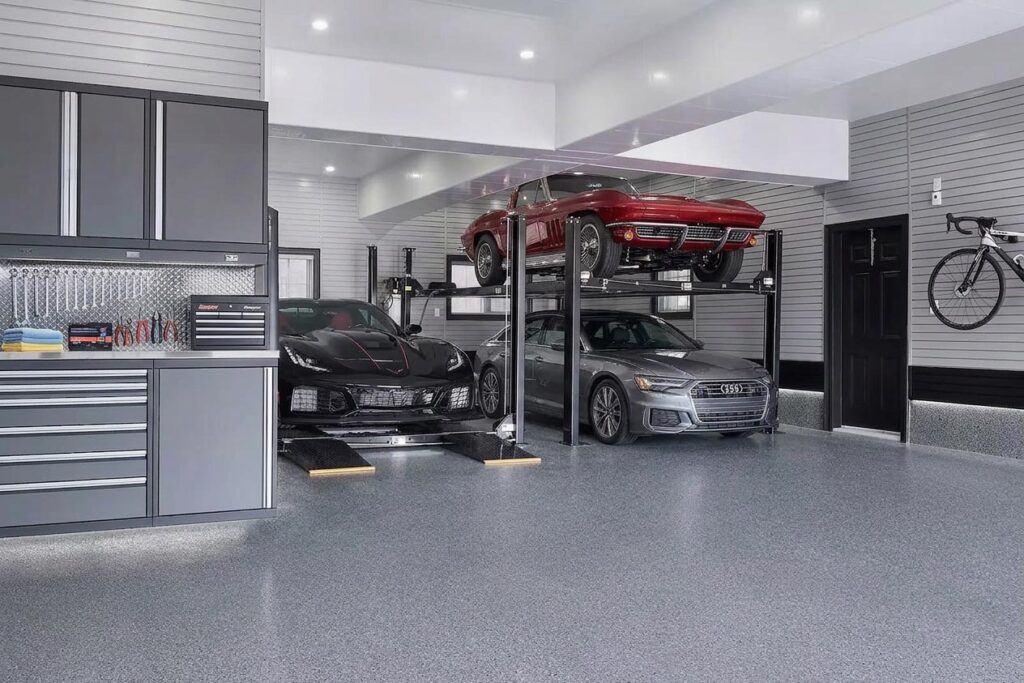
The best garage flooring is level, durable, easy to clean and suitable for the equipment being installed. A painted concrete floor can work well for many domestic garages, while resin or epoxy-style finishes may be more attractive for detailing spaces and showroom-style garages.
The floor matters even more if you are installing a lift. The Health and Safety Executive says the floor and fixings should meet the lift manufacturer’s specification, and that specialist advice should be sought if there is any doubt. For a home user, that means floor depth, condition, levelness and fixing suitability should be checked before committing to a lift installation.
Avoid designing the garage around appearance alone. Glossy floors, bright walls and neat cabinets look good, but the floor still needs to cope with vehicle weight, jacks, tool trolleys, tyre movement and occasional fluid spills.
What lighting and power do you need in a serious garage setup?
A serious enthusiast garage needs bright, even lighting and enough power in the right places. Poor lighting makes maintenance harder, detailing less accurate and storage areas more frustrating to use.
Consider a mix of overhead lighting, wall lighting and task lighting. For detailing, side lighting is particularly useful because it shows paint defects, swirls and dirt that overhead lights can miss. For mechanical work, good lighting under the bonnet, around wheel arches and beneath the vehicle matters more than decorative lighting.
Power planning should include battery conditioners, chargers, tool charging points, compressors, heaters, dehumidifiers and any lifting equipment. Lift Giant’s LGX35 power guidance says the unit uses a 2.2kW single-phase power unit with a 16 amp commando plug, requiring a suitable 16 amp socket and motor-rated fuse. That is the kind of practical detail worth checking early, rather than after the garage has been fitted out.
How do you protect cars kept in long-term garage storage?
Long-term garage storage should protect the car from damp, flat spots, battery drain, accidental knocks and poor access. A dry, well-ventilated garage is usually more important than a purely cosmetic showroom finish.
- Use a battery conditioner if the car will sit for long periods.
- Keep tyres correctly inflated and consider flatspot prevention for stored vehicles.
- Leave enough room to inspect the car without moving everything first.
- Use breathable indoor covers where appropriate.
- Control moisture with ventilation, sealing and dehumidification where needed.
- Avoid storing heavy or sharp items above the vehicle.
If the garage includes a lift, accessories such as rubber lifting pads, low-profile ramp extensions and hydraulic oil should be treated as part of the working setup rather than afterthoughts. They help make the lift easier to use with different vehicles and support routine maintenance.
What is the best garage layout for maintenance, detailing and storage?
The best layout separates clean storage, dirty work and vehicle movement. This keeps the garage practical rather than turning every job into a rearranging exercise.
A simple layout might place wall storage and workbenches along one side, the car or lift in the central bay, detailing supplies close to water and power, and seasonal items away from the main working area. If the garage is used for more than one car, plan the order in which vehicles need to move. A beautiful layout is not useful if the car you use most is always trapped behind the one you use least.
For a single-car enthusiast garage, a mobile scissor lift and tidy wall storage may be enough. For a two-car garage, one bay could be set up for storage and the other for working access. For a larger collection, dedicated parking lift zones, wider turning space and clear pedestrian routes become much more important.
Final takeaway
The ultimate garage for car enthusiasts is not just a place to park a car. It is a practical space designed around storage, access, safety, lighting, power and the way the owner actually uses their vehicles. A car lift can be one of the most valuable upgrades, but only when it is matched to the garage dimensions, floor, vehicle type and intended use.
Plan the garage around the work first, then choose the equipment. That approach will usually create a better result than starting with cabinets, flooring or a lift before you have mapped out how the space needs to function day to day.
FAQs
Can you put a car lift in a normal home garage?
Yes, but it depends on the garage dimensions, ceiling height, floor condition and the type of lift. Compact scissor lifts are often easier to accommodate than full-height or stacking systems, but every setup should be checked against the lift manufacturer’s requirements.
Is a scissor lift or parking lift better for a car enthusiast garage?
A scissor lift is usually better for maintenance, detailing and underbody access. A parking lift is usually better when the main goal is storing one vehicle above another.
Do you need a special floor for a garage car lift?
You need a floor that meets the lift manufacturer’s specification. Concrete depth, condition, levelness and fixing suitability all matter, especially where the lift is being permanently installed.
How do you make a small garage work better for car storage?
Use wall storage, keep the floor clear, avoid oversized cabinets, plan door-opening space and consider vertical storage if the ceiling height allows it.
What should you plan before buying garage equipment?
Measure the garage, check ceiling height, identify power requirements, decide where tools and storage will sit, and make sure there is enough room to move safely around the vehicle.