Many car owners install vehicle lifts to create more parking space, but they also want to know whether the lift can be used for maintenance and repairs. The answer is yes, although the type of lift you choose will determine how suitable it is for different tasks.
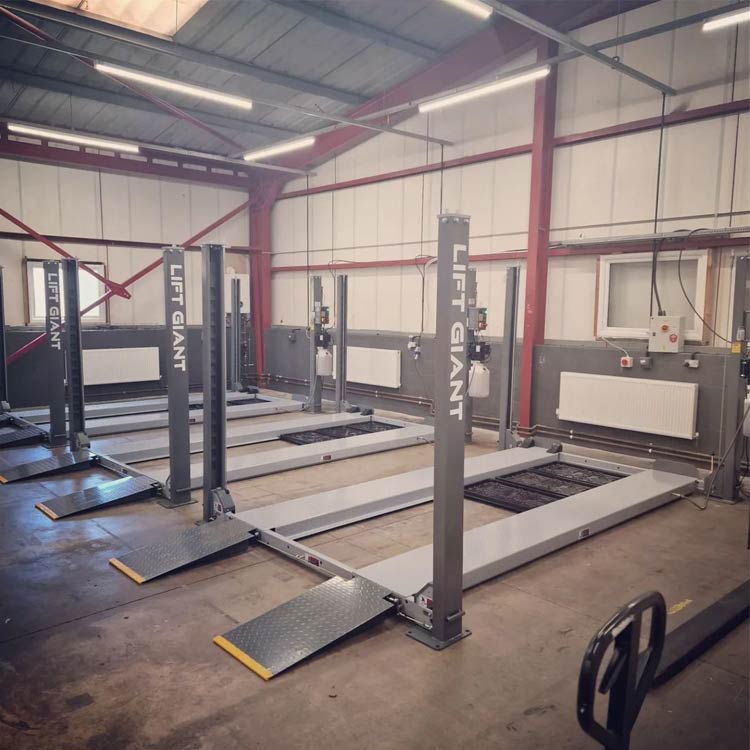
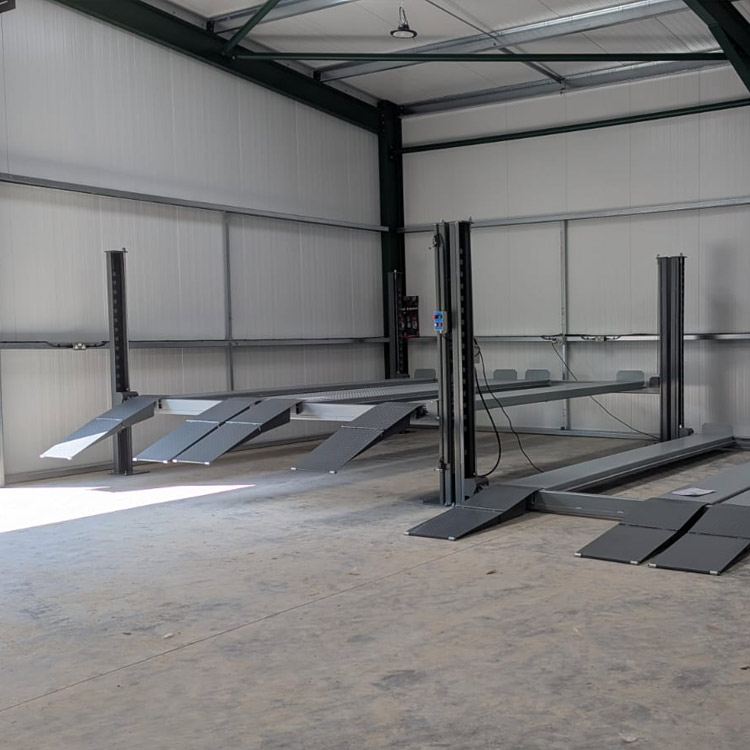
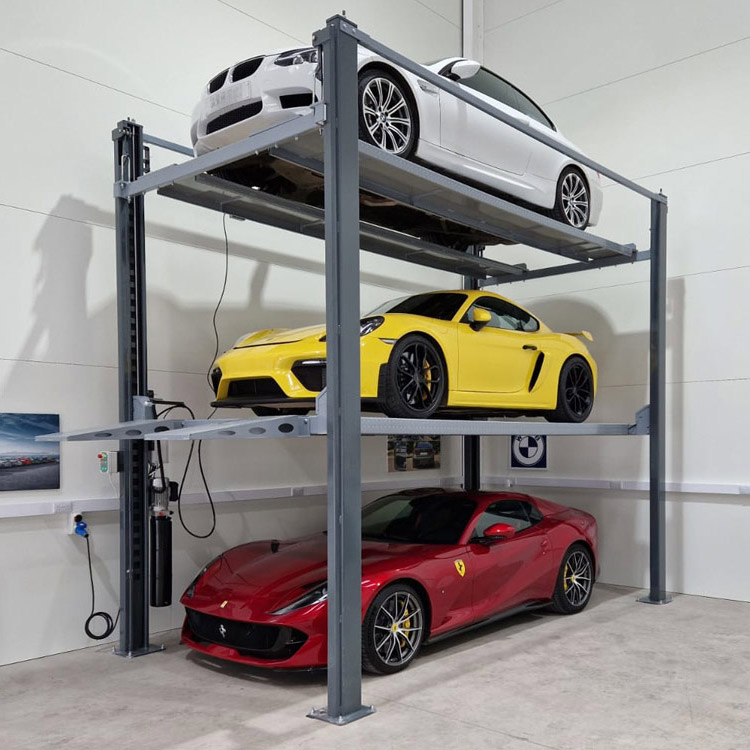
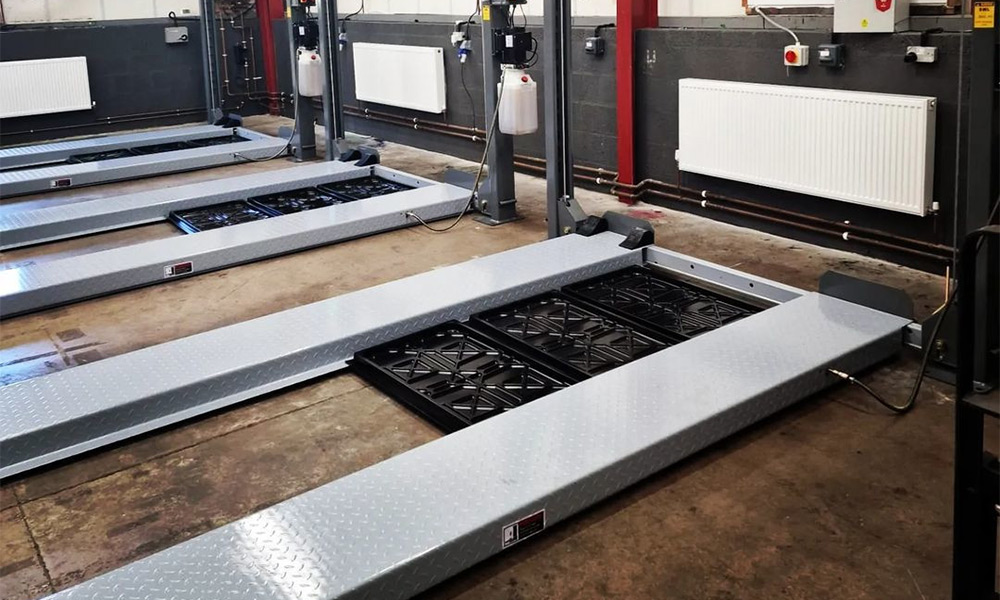
For garages that need both storage and maintenance capability, a four-post car lift is often the most practical option. It offers a stable platform for long-term vehicle storage while still providing access to the underside of the vehicle for inspections and light repair work.
Why Four-Post Lifts Are Good for Storage
A four-post lift allows the vehicle to sit on its wheels while elevated. This is beneficial for long-term parking because the suspension remains in its natural position rather than hanging under tension.
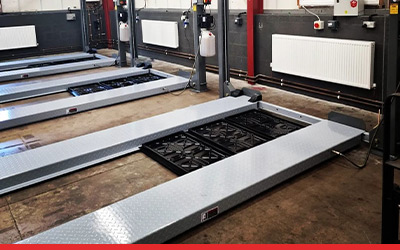
For collectors storing classic cars, sports cars, or seasonal vehicles, this setup is often preferred. It also makes parking very straightforward, as you simply drive onto the platforms using the ramps and raise the lift with push-button controls.
Most residential four-post lifts offer a 3600kg lifting capacity, making them suitable for a wide range of vehicles including modern cars, SUVs, and light commercial vehicles.
Access for Maintenance
Although four-post lifts are commonly used for storage, they can also be helpful when carrying out basic maintenance work. Raising the vehicle gives you clear access to areas such as the exhaust system, underside panels, and drivetrain components.
Optional accessories can also expand what you can do with the lift. One of the most useful additions is a scissor jacking beam, which allows you to lift the vehicle by its axles while it is already raised on the lift. This makes it possible to remove wheels and carry out tasks like brake inspections or tyre changes.
4-post Lift Limitations for Suspension and Brake Work
While four-post lifts are versatile, it is important to understand the 4-post lift limitations for suspension and brake work.
Because the vehicle rests on its wheels when parked on the lift, it can be more difficult to access certain suspension components without additional equipment. For example, removing wheels or working on suspension systems typically requires a jacking beam or similar accessory to raise the vehicle further.
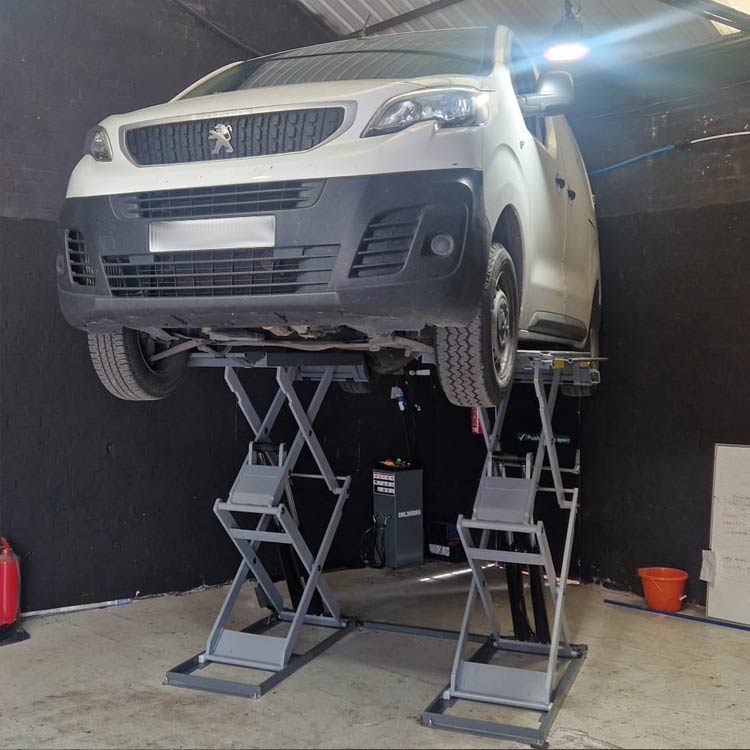
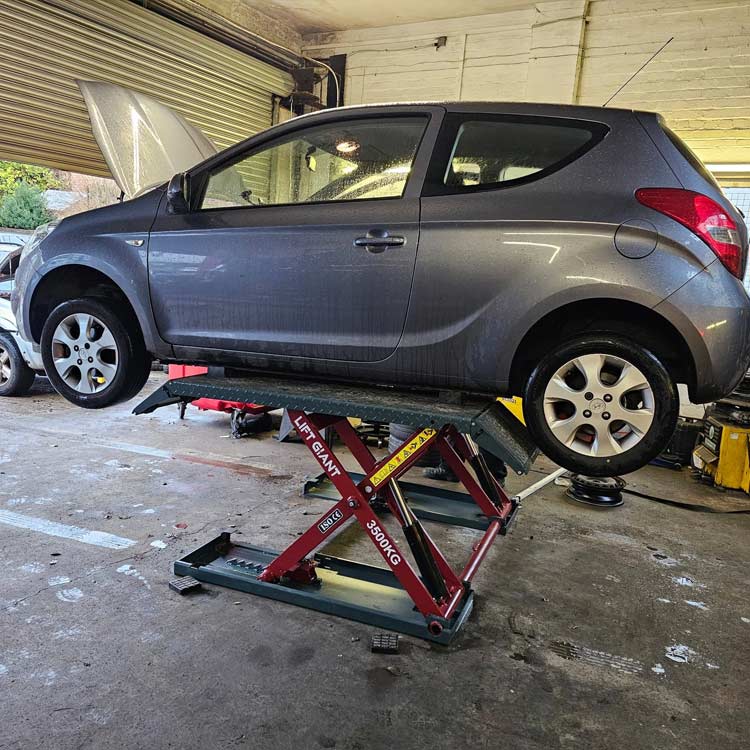
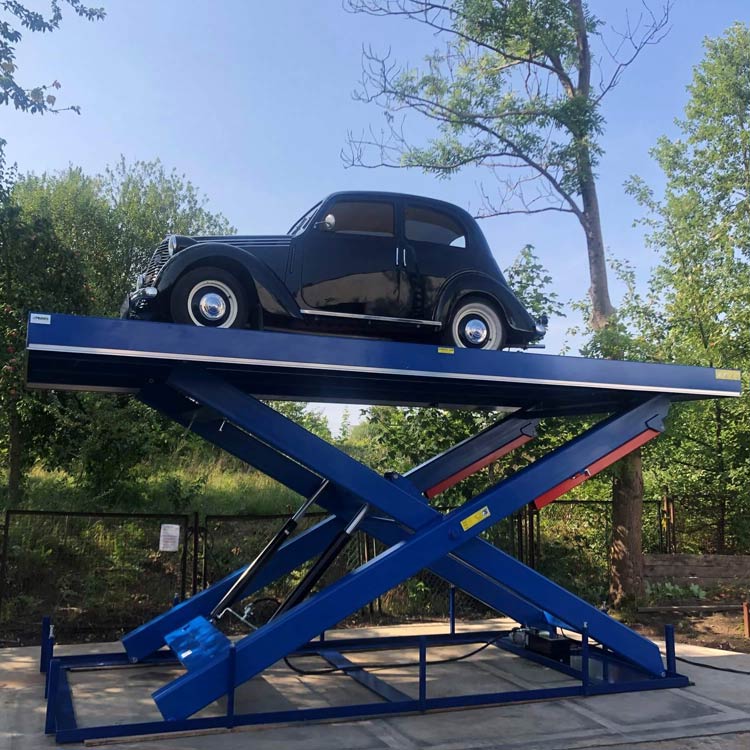
In professional workshops, technicians often use scissor lifts for this type of work because they lift the vehicle directly from its chassis. However, for home garages, a four-post lift still provides excellent functionality when paired with the right accessories.
Four-Post vs Scissor Lifts
If you are deciding between lift types, the following comparison highlights some key differences.
| Feature | Four-Post Lift | Scissor Lift |
| Best Use | Storage and maintenance | Mechanical repairs |
| Vehicle Position | Car sits on its wheels (unless on scissor jacking beam) | Car lifted from chassis |
| Stability | Very stable long term | Stable |
| Wheel Removal | Requires optional scissor jacking beam | Easy access |
| Storage Capability | Excellent for stacking vehicles | Less suited to long-term parking |
| Ease of Use | Drive-on ramps make parking simple | Easy for repairs |
A Flexible Garage Solution
For many homeowners and collectors, a four-post lift offers the best balance between practicality and convenience. It allows vehicles to be safely stored while still giving access underneath for maintenance work.
With a 240v power supply, strong construction, and mechanical safety locks, these lifts are designed for reliability and safe operation in both home garages and commercial environments.