Car ramps are a simple but highly effective tool in both home garages and professional workshops. Whether you are carrying out maintenance, preparing vehicles for storage, or improving access to a lift, ramps provide a safe and convenient way to position vehicles correctly.
For workshops using car lifts, ramps are often an essential accessory. They help vehicles drive onto the lift platform smoothly and safely while also protecting the vehicle from unnecessary strain or damage during the loading process.
Easier Vehicle Access
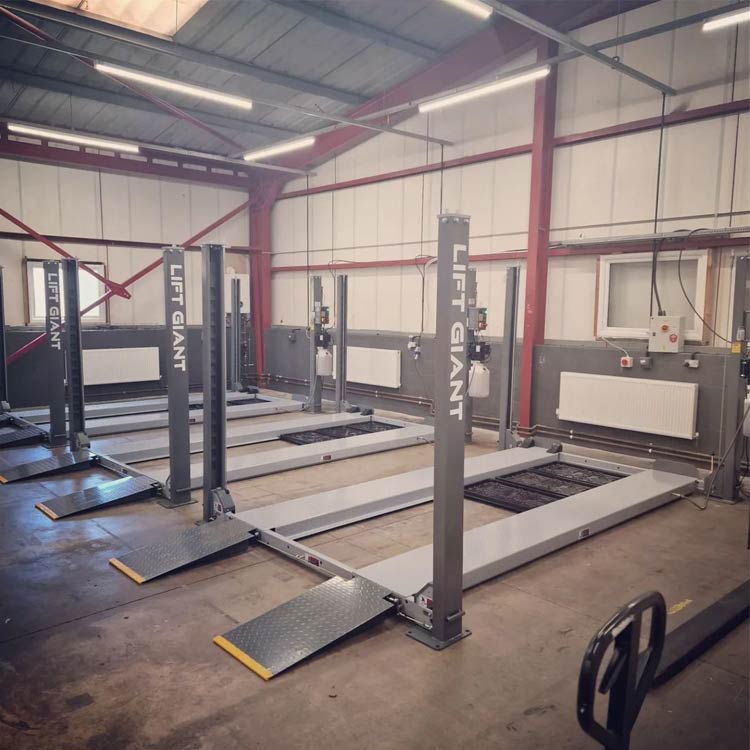
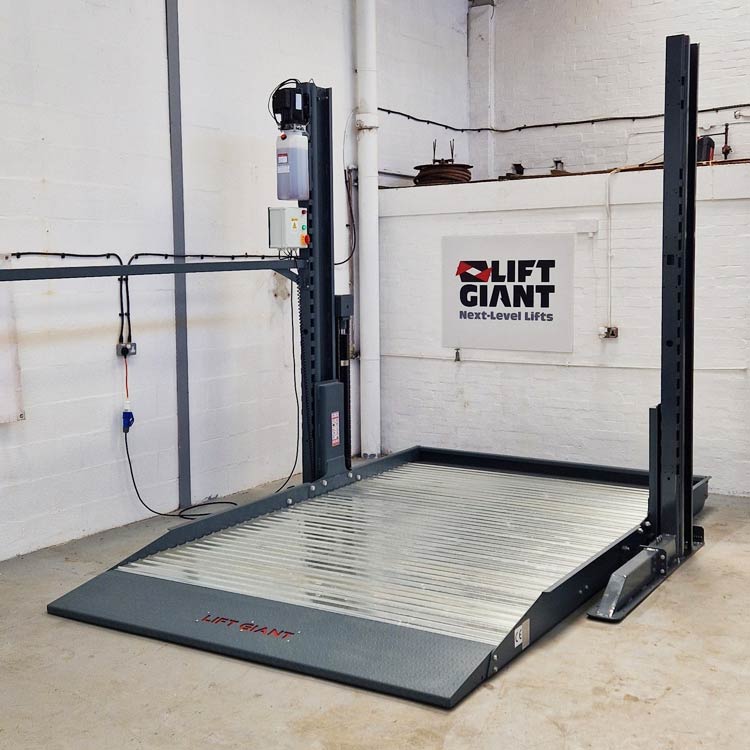
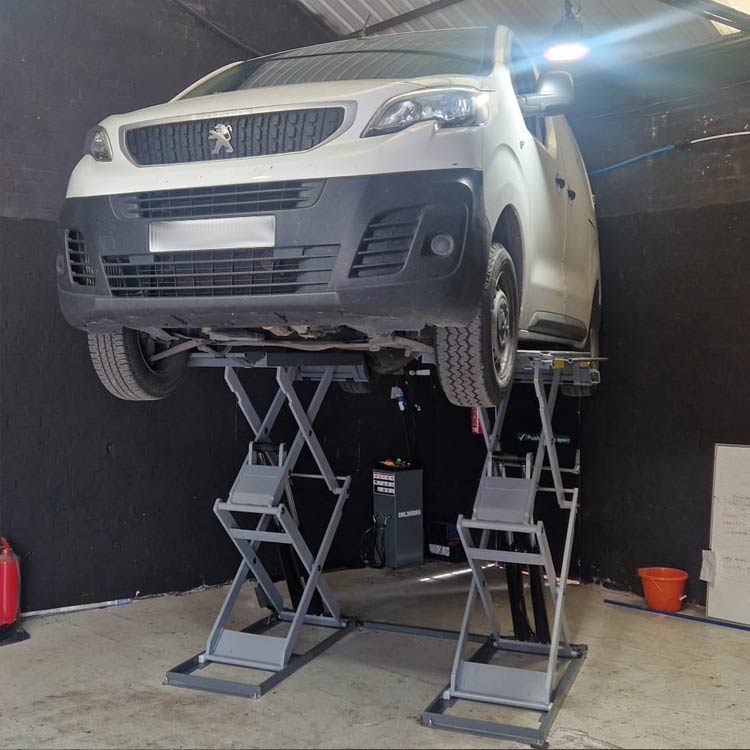
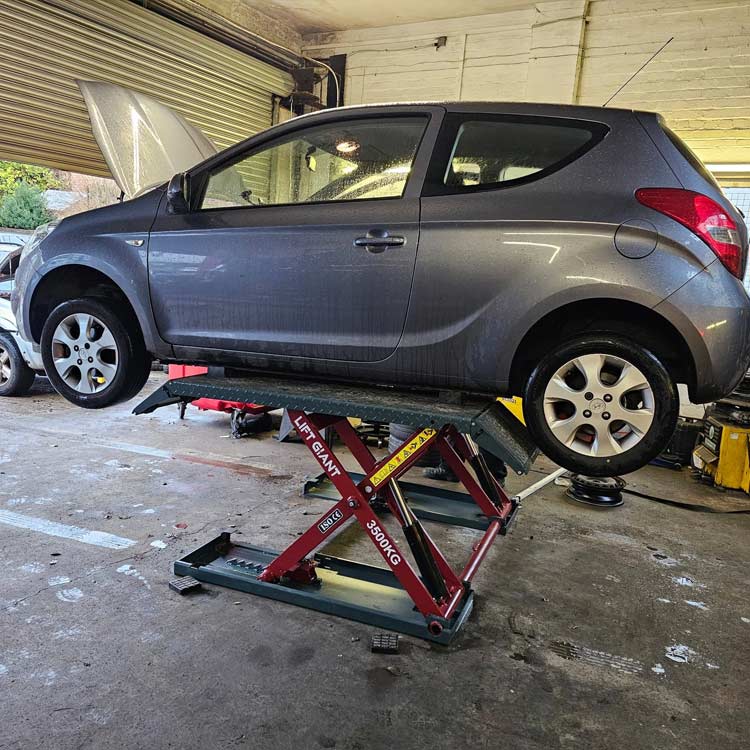
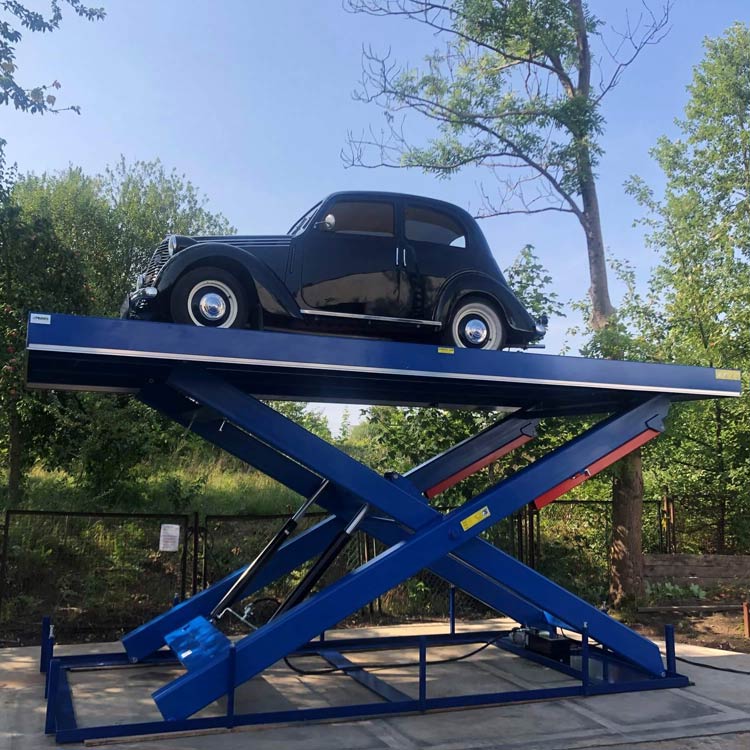
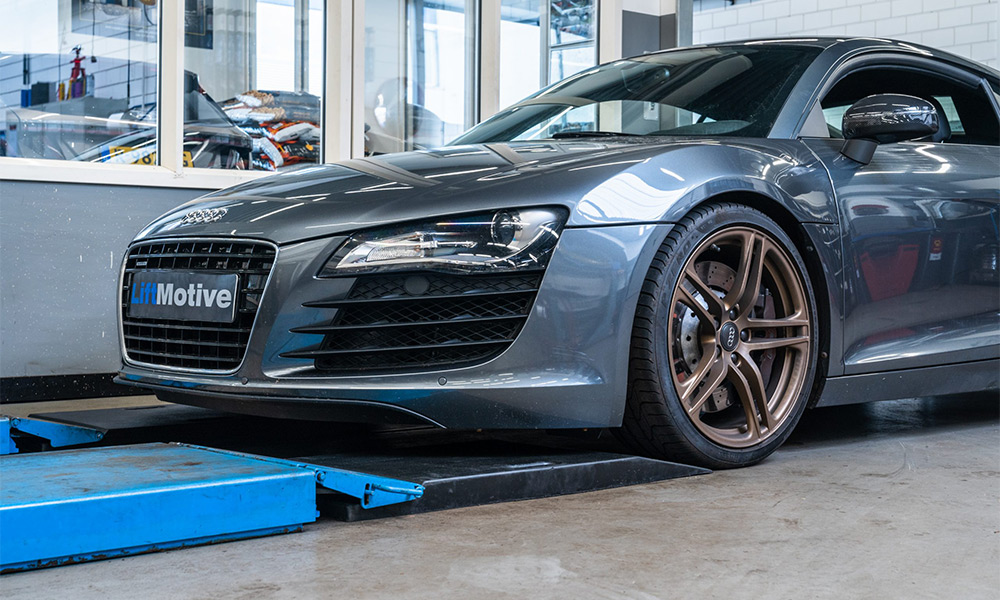
One of the main benefits of car ramps is how easily they allow vehicles to be guided onto lifting equipment. In many workshops, our ramps are used with parking lifts and scissor lifts to create a gradual incline for vehicles to drive up.
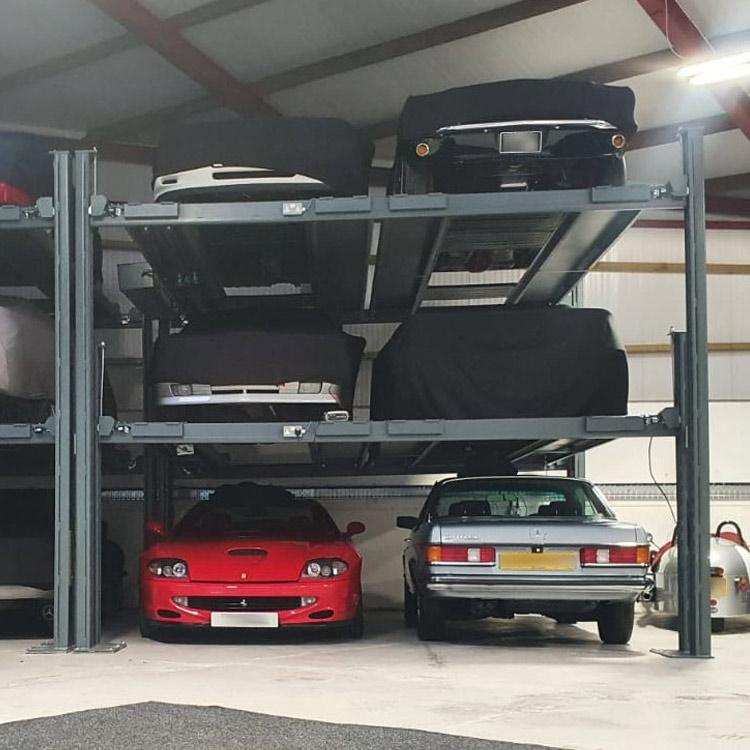
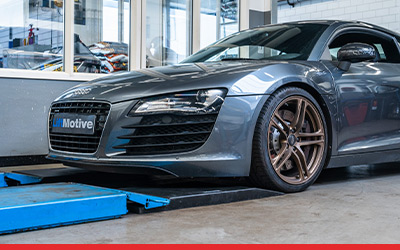
This is especially useful when dealing with low-clearance vehicles such as sports cars, classic cars, or modified vehicles. A longer, smoother slope reduces the chance of scraping bumpers, splitters, or underbody components.
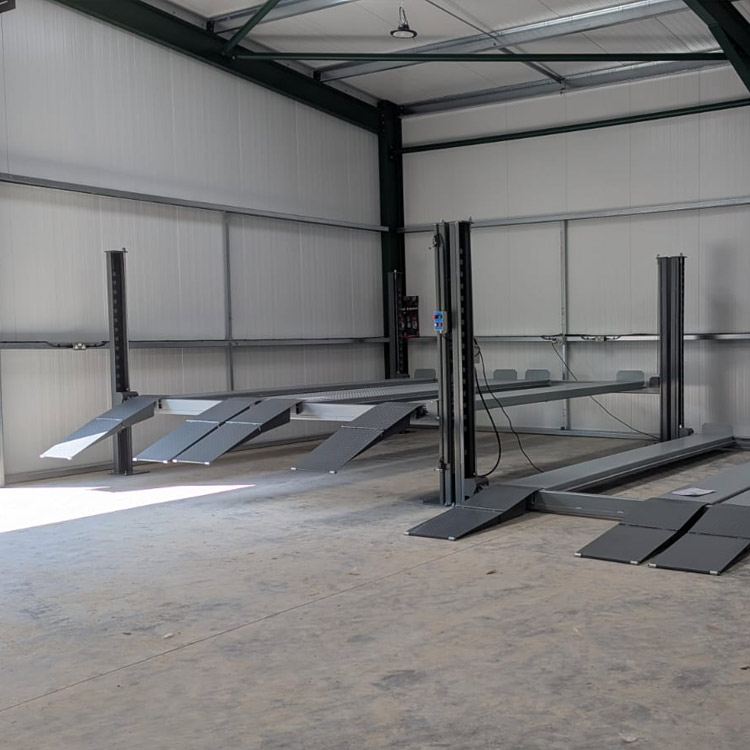
For example, aluminium up ramps designed for four-post lifts provide a controlled entry point so vehicles can be positioned accurately before lifting.
Lightweight and Easy to Handle
Traditional steel ramps can be heavy and awkward to move around the workshop. Aluminium ramps offer a much more practical solution.
Because they are lightweight, a single ramp can often be lifted with one hand. This makes it easier to attach and remove ramps when they are not required, which is particularly useful in workshops where space is limited or lifts need to remain clear when not in use.
Portable ramps also allow technicians to keep the workspace tidy and flexible.
Ideal for Workshops with Limited Space
In many garages, leaving ramps permanently attached to a lift can take up valuable floor space. Detachable ramps provide a more flexible solution.
Once the vehicle is positioned on the lift, the ramps can simply be removed and stored elsewhere. This gives technicians better access around the lift and reduces the chance of hitting ramps when moving around the workspace.
This approach is particularly useful for four-post parking lifts, where ramps may only be required during vehicle loading.
Improved Safety During Vehicle Loading
Ramps help guide the vehicle onto the lift platform, making the loading process safer and more controlled. A gradual incline reduces the risk of sudden movements or incorrect positioning.
High-quality ramps are designed with durable materials that can handle repeated use in busy workshop environments. Aluminium ramps provide strength without unnecessary weight, while rubber ramp extensions can offer extra grip and stability.
Perfect for Low Vehicles and Performance Cars
Lowered vehicles often struggle with standard ramps because the incline is too steep. This is where low profile ramp extensions can make a significant difference.
Rubber ramp extensions create a longer, gentler slope that allows even very low vehicles to drive onto lifts safely. This is particularly important in workshops dealing with performance cars or modified vehicles where ground clearance is minimal.
These ramps are also highly durable, built with dense rubber designed to withstand regular workshop use.
Comparison of Common Ramp Types
| Ramp Type | Best For | Key Advantage |
| Aluminium Up Ramps | Four-post parking lifts | Lightweight and easy to move |
| Rubber Ramp Extensions | Low vehicles and sports cars | Gentle incline for low clearance |
| Steel Ramps | Permanent installations | Strong but heavier |
A Useful Addition to Any Workshop
Car ramps are a small investment that can significantly improve efficiency in a garage or workshop. They make it easier to load vehicles, protect low-clearance cars, and create a safer working environment around lifting equipment.
When paired with car lifts, the right ramps can improve the overall workflow of a workshop while helping technicians position vehicles quickly and accurately.
FAQs
Are aluminium ramps strong enough for workshop use?
Yes. Aluminium ramps are designed to provide a strong structure while remaining lightweight. This makes them ideal for regular workshop use where ramps may need to be moved or removed frequently.
Do ramp extensions help with lowered cars?
Yes. Low-profile ramp extensions are specifically designed to create a longer and smoother incline, which helps prevent scraping when driving lowered vehicles onto lifts.
Can ramps be used with different brands of car lifts?
In many cases, yes. However, it is always important to check that the ramp attachment method matches the lift being used to ensure proper fit and safe operation.